410 Santa Maria, Irvine, CA 92606
E-mail us: [email protected]
24 Hour Service - 7 Days a Week

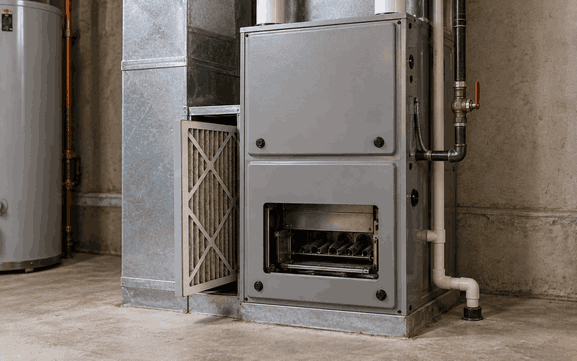
A heater that is not working may have a thermostat setting problem, interrupted power, restricted airflow, an ignition or heating-element fault, or another HVAC system issue.
A heater that is not working may have incorrect thermostat settings, interrupted electrical power, restricted airflow, ignition problems, defective heating components, or faulty HVAC controls.
First, determine whether the system will not start, runs without producing heat, or repeatedly shuts down. These symptoms require different diagnostic approaches.
Safety warning: If you smell gas or a carbon monoxide alarm activates, leave the property and contact emergency services or the gas utility from a safe location.
Before requesting professional diagnosis, complete these basic checks:
Check the thermostat. Select Heat and set the temperature above the current room temperature. Allow time for normal startup delays.
Inspect the thermostat display. Replace batteries when permitted. A blank screen may also indicate interrupted control power. See Thermostat Not Working: Common Causes and Safe Checks.
Check the circuit breaker once. If it has tripped and there are no signs of electrical damage, follow manufacturer instructions. Leave it off if it trips again.
Check the equipment power switch. Some furnaces have an accessible external switch that may have been turned off accidentally.
Inspect the air filter. A clogged filter can restrict airflow and activate protective controls.
Clear supply and return vents. Furniture and stored items should not obstruct normal airflow.
Never bypass safety switches, open energized panels, or handle internal gas connections.
A heater can circulate air even when its heating components are not operating correctly.
When the thermostat fan is set to On, the blower may operate between heating cycles.
Switching to Auto, where appropriate, allows the blower to follow normal system operation.
A gas furnace may run its blower while the burners fail to ignite.
Possible causes include ignition faults, flame-sensing problems, gas-valve issues, or protective shutdowns.
Repeated ignition attempts followed by shutdown require professional diagnosis.
Heat pumps often deliver air that feels cooler than air from a conventional furnace.
During cold or damp weather, a temporary defrost cycle may also change normal operation.
However, persistent cold airflow, excessive ice, or an inability to maintain room temperature may indicate a malfunction.
An electric heater may lose heating capacity because of failed elements, relays, sequencers, wiring, or electronic controls.
Some systems continue producing limited warmth when one heating stage fails.
Internal electrical components require qualified inspection.
Heating system short cycling occurs when equipment repeatedly starts and stops before completing normal heating cycles.
Possible causes include:
Clogged filters or restricted airflow
Thermostat sensing or wiring faults
Overheating and high-limit shutdowns
Furnace flame-detection problems
Electrical controls or equipment-sizing issues
Repeated shutdowns accompanied by weak heat, unusual noises, or error messages should not be ignored.
Do not repeatedly restart equipment that is activating a protective shutdown.
Gas furnaces depend on controlled ignition, stable combustion, proper venting, and working safety controls.
Problems involving igniters, flame sensors, pressure switches, burners, or blower operation may prevent heating.
These components require professional testing. Never adjust internal gas controls or bypass combustion safeguards.
A heat pump may stop heating effectively because of refrigeration problems, outdoor-unit faults, temperature sensors, reversing-valve issues, or defrost controls.
Heavy ice that does not clear requires attention.
For problems involving several connected components, professional HVAC repair and system diagnostics can help identify the underlying cause.
Electric heating systems may develop failed elements, damaged wiring, defective controls, or interrupted heating stages.
Repeated breaker trips or burning electrical odors indicate a problem requiring qualified assistance.
Modern furnaces, heat pumps, and communicating thermostats may display fault codes, warning messages, or flashing indicator patterns.
Depending on the model, these warnings may involve ignition, flame detection, overheating, pressure switches, airflow, temperature sensors, or communication faults.
Record the complete code, equipment model, and operating symptoms before resetting the system.
There is no universal HVAC error-code format. A warning identifies a detected condition, not necessarily the failed component.
Control-related problems may require professional thermostat repair.
Professional heating repair is appropriate when the system:
Will not start or produce adequate heat
Repeatedly shuts down or short cycles
Blows cold air during expected heating
Produces unusual mechanical or electrical noises
Displays recurring fault warnings
A technician can evaluate the thermostat, ignition system, electrical controls, airflow, heating components, and safety devices.
For operating equipment, preventive heating maintenance may help identify developing problems.
Read How Often Should an HVAC System Be Serviced? for maintenance guidance.
If major failures recur, review Repair or Replace Your HVAC System.
Yes. Severe airflow restrictions may activate protective controls and interrupt heating. However, replacing the filter will not repair unrelated electrical or ignition problems.
Possible causes include normal defrost operation, restricted airflow, refrigeration faults, or defective controls. Persistent loss of heating requires diagnosis.
One reset may be permitted when there are no electrical hazards. If the breaker trips again, leave it off and request professional assistance.
For professional heating system diagnostics and repair, contact Reliable Hands Appliance.
Phone: +1 (714) 338-9438
Email: [email protected]
Office Hours: Monday through Friday, 7:00 AM to 7:00 PM
Saturday: 9:00 AM to 6:00 PM
Sunday is reserved for emergency calls. Call to confirm availability.
Office: 410 Santa Maria, Irvine, CA 92606
Time Zone: Pacific Time